




|
18/2/2020
Fitness and Fasting Q+A When we think about building healthy habits, it’s normal for one of your first thoughts to be about hitting the gym. But as you’re building a fasting practice, is it safe and/or possible to keep working out?
The short answer is likely yes. Here are some common questions about Intermittent fasting and their answers: Q: I’ve heard fasted cardio in the morning has great benefits for fat loss but will fasted weight training still yield good muscle growth and fat loss? A: Weight (aka resistance) training is good for muscle building and muscle maintenance no matter when you do it! Even in a fasted state—when you haven’t had any food immediately prior to working out—resistance training has been shown to stimulate mTOR activity. mTOR is a growth signaler in the body, important for muscle protein synthesis and muscle hypertrophy (increase in muscle size). Stimulating mTOR through resistance training should signal muscle growth with or without food. But where does the energy come from to build that muscle? During exercise in a fasted state, your body mobilizes carbohydrates and fatty acids for energy. Despite common misconception, you’re unlikely to breakdown muscle/protein for energy even when you’re fasting. The only real difference between fasted weight lifting and fed weight lifting is the percentage of energy that comes from fat vs. carbs and glycogen. Studies have shown that acute resistance exercise in a fasted state compared to the fed state produces a lower respiratory exchange ratio (RER), indicating that you’re using more fatty acids for fuel rather than carbohydrates. It follows then that fasted weight lifting can result in more fat loss and better body composition. To summarize: resistance training has plenty of benefits for body composition and muscle growth no matter when you work out, but those benefits may in fact be enhanced by training in the fasted state. Q: I do OMAD—should I workout before or after my one meal? Also, should I do cardio or lift weights? A:Whether you want to prioritize cardio or weight lifting entirely depends on your fitness goals. Weight/resistance training can increase muscle mass, improve bone density, contribute to better sleep, enhance cognitive function, and reduce stress. Similarly, cardio improves heart health, reduces the risk of neurodegenerative disease, improves blood sugar control, and improves mood. So why are you doing this? Are you exercising for better performance? Better body composition? For cardiovascular health? If you’re exercising for performance—specifically long duration endurance—then eating before you workout will likely give you the most benefit, since it will provide your body with immediately usable carbohydrates or fatty acids to use for fuel. If you’re fat adapted, you’ll want fats to fuel your performance. Otherwise, you’ll want carbohydrates. But that’s probably the only instance in which you’ll want to eat before your workout. For most other fitness goals, eating after your workout is preferable. Research has shown that weight lifting and shorter duration aerobic exercise (such as HIIT training) aren’t hindered by working out in a fasted state, and there’s a lot of upside to working out fasted. It’s been shown to enhance mitochondrial adaptations to using fatty acids (i.e. the body is better at burning fat) and increase glucose sensitivity. It’s also possible to have a successful endurance workout in the fasted state, but likely only if you’re fat adapted, meaning you’re in “ketosis,” either from a ketogenic diet or a fasting regimen designed to train your body for fat burning. Q: Does preworkout break a fast? A: This depends on what’s in the pre-work out, and the goal of your fast. If you’re fasting for gut rest, anything with calories will technically break the fast since it’ll activate digestive enzymes, so check the nutrition label. If, on the other hand, you’re fasting to induce autophagy, decrease inflammation, lower blood glucose, etc., then a small number of calories will likely not have an impact. The one caveat to this rule is a preworkout containing branched chain amino acids (BCAAs). BCAAs are often considered to be non-caloric on nutrition labels even though they stimulate mTOR, a signaler involved in growth pathways. This is especially true of leucine. Since mTOR inhibits autophagy, you’ll want to avoid BCAAs during your fasting window if you’re fasting for longevity, even if the supplement says it doesn’t have any calories. Q: Should I train in the middle of my fast or at the end (right before my fast breaker meal)? A: Again, it depends on your goal! Exercising at any point during your fast, specifically weight training, can help minimize muscle loss. So, on a longer fast, you’ll likely want to do regular resistance training—up to once per day throughout your fast. As mentioned above, fasted resistance training has been shown to stimulate mTOR activity, which aids in muscle synthesis. During prolonged fasts, you are at higher risk for muscle loss, so incorporating some resistance training into your fasting routine can help minimize that risk. On a shorter fast, say a 16:8 TRF, it’s probably best to workout toward the end of your fasting window so you can “feed your workout” immediately afterward (more on this below). On a longer fast, you might want to avoid endurance exercise since you’re at higher risk for electrolyte imbalances and fluid loss. For a shorter fast, however, endurance exercise can deplete glycogen and burn fat, especially toward the end of your fasting window. That way, your glycogen “tanks” are empty, so your body has somewhere to store any carbs you may ingest following your workout, which means fewer blood glucose spikes. In summary: for a longer fast, regular resistance training is a good idea, but you may want to give the endurance workouts a rest. For shorter, daily fasts, either form of exercise is likely beneficial, especially toward the end of your fasting window. Q: What should you eat after a fasted weight lifting session to avoid muscle loss? Similarly, what should you eat after a fasted cardio session? A: In short? Protein. Yes, the time-tested, post-workout protein meal, be it in shake or whole food form, does have some research to back it up. Whether it’s a cardio or resistance workout, exercise puts your body in a catabolic state that mobilizes amino acids (building blocks of protein/muscle). Some studies have shown that ingesting protein post-workout increases myofibrillar protein synthesis, which contributes to overall muscle growth. So no matter what kind of exercise you’re doing, protein can help switch your body out of the catabolic “breakdown” state into an anabolic “repair and rebuild” state. Another study of people on a TRF (time restricted feeding) protocol showed little difference in muscle growth/strength no matter when they ate their meals, so long as total protein intake remained constant. This suggests that TRF does not hinder performance at the gym, as long as you are meeting your total protein needs for the day. Again, a protein source such as chicken, fish, eggs, nuts, beans, or dairy will be an important part to your post-exercise meal. In addition to the protein post-workout, a carbohydrate or a healthy fat source may also be appropriate, depending on your health goals, type of exercise completed, and the current diet you follow. Q: What’s a recommended 16:8 fasting schedule for those who like to workout early in the morning? A: Ideally, you would eat your first meal as soon as possible following your workout. This is the time your body is most sensitive to nutrients and when you have more opportunity for muscle growth. When you eat a meal after glycogen-depleting exercise, you also have more room in your body’s “storage tanks.” So, when eating carbohydrates after a workout, more of that glucose can be transported to the liver and muscles to replete the glycogen stores instead of hanging around in the bloodstream. The same high carb meal will produce less of a glycemic response (i.e., rise in glucose and insulin) after a workout than before a workout. Additionally, as discussed above, having a post-exercise meal containing protein has been shown to increase myofibrillar protein synthesis, which contributes to overall muscle growth. As an added bonus, starting your feeding window earlier in the day, and ending it earlier in the afternoon (a protocol known as “early TRF” or “eTRF”) has also been shown to provide additional health benefits. One study demonstrated increased insulin sensitivity, improved beta cell function, lowered blood pressure and oxidative stress, and a decreased appetite in the evening. Another study found that the early time restricted feeding (eTRF) group had lower 24-hour glucose levels, lower glucose levels at night, lower insulin levels, fewer glucose excretions and improved genetic markers for circadian rhythm. If working out early in the morning, it’s a good idea to have your first meal of the day as soon as you can after you exercise. For example, if you finish your workout around 7AM, eat your first meal at 7:30, and begin your fast around 3:30PM, you should see multiple benefits for your overall health. The trick to this of course is that dinner is often the most social meal of the day, so it may be harder to skip dinner than breakfast. You may need to find a balance between the “ideal” exercise/eating schedule, and the one you know you can stick to. Staying active during a fast is good—your fitness and fasting regimen can often go hand in hand. Work with your personal physician to build the plan that’s right for your needs.  Exercise has a positive effect on the physiological and psychological conditions on all ages, including people with physical or mental disabilities. It is important to incorporate cardiovascular exercises as well as strength exercises for cardiovascular health, strength & mobility.
Psychological benefits include:
Physiological benefits include:
Studies have shown the benefits of training the brain with exercise. It was discovered that children who exercised 20 – 30 minutes before starting school, were more attentive and less disruptive. It has been found to be beneficial in treating ADHD too. The root of the benefits lies in the fact that exercising can release serotonin and dopamine, which are the pleasure chemical, into the brain, making a person calmer and happier. Exercise stimulates the nervous system, the center of which is the brain. When the brain and the nervous system is stimulated, it works better and makes you feel better. While exercising, there is increased circulation of blood, which also means there is more blood and oxygen available for the body as well as the brain. The extra oxygen and blood supply helps to make the brain more alert and awake during exercise, and keeps you more focused after it. Regular exercise gets the brain used to the extra blood and oxygen supply and the brain reacts by turning certain genes on or off, thereby changing the cell functions of the brain and protecting it from degenerative diseases like Alzheimer’s and Parkinson’s. Exercise plays a leading role in reducing colon cancer. Many people are not aware that exercising on a regular basis can play an important role to their gastrointestinal health. Exercise improves gastrointestinal function enabling your system to run more smoothly and effectively. It helps to increase blood flow, which plays such a vital role in digestion, by introducing more oxygen to your vital organs. Other chemicals and chemical transmitters that the brain releases during and after exercise include:
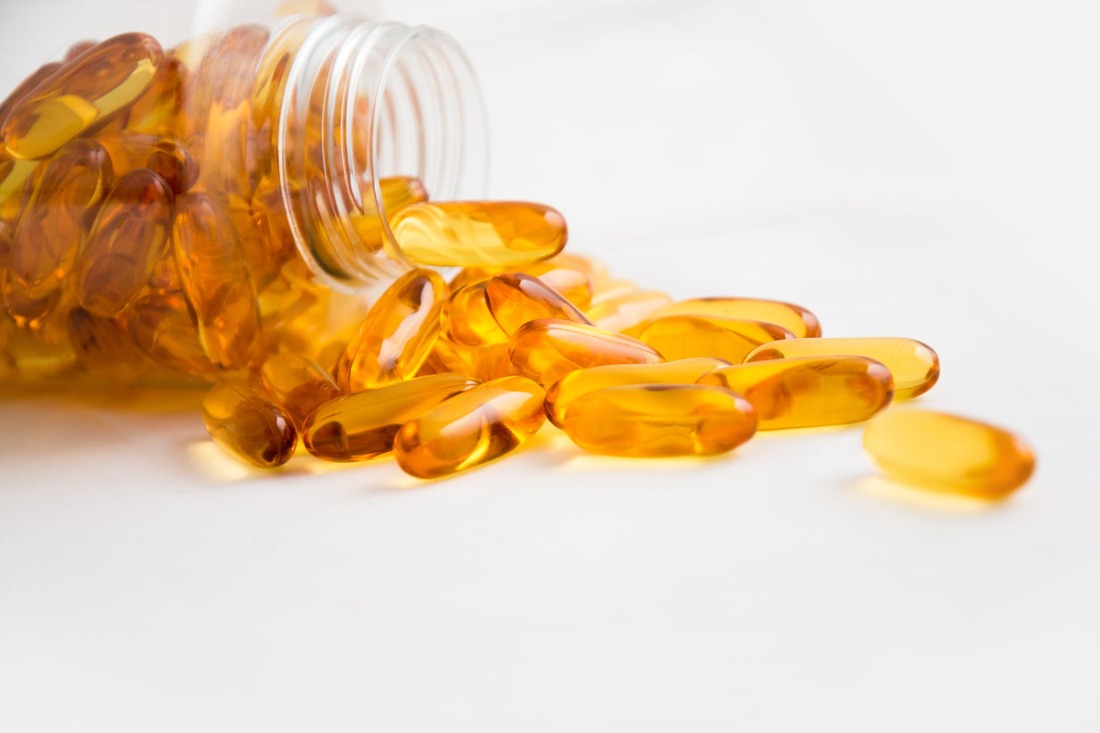 It stands to reason that if you’re taking in fewer calories by fasting, you are also probably taking in fewer vitamins and nutrients. Whether or not that reduction is significant enough to affect your health depends upon how long you fast and whether you were deficient in any area before you started. Additionally, fasting folks often want to know whether supplements count as food in a fast. Most experts say they do not, but the timing of taking them is important.
First, consider that if you’re only consuming water and/or black coffee while fasting, quite a few vitamins can make you feel nauseated on an empty stomach, from B vitamins to zinc. If you are going to take any of these, you probably want to save them for your eating windows. (And if you’re not sure, definitely wait). Vitamins break down into two essential categories: Fat-soluble: These vitamins should be eaten with fat-containing food in order for your body to absorb them: vitamin A, vitamin D, vitamin E, and vitamin K. The body stores fat-soluble vitamins in the liver and body fat. Taking these in windows when you aren’t consuming food with fat in it means you’re less likely to absorb them, so there’s no real point. While fasting for less than 5 days, you’ll be burning your own body fat and getting those vitamins that way. Water-soluble: These vitamins are not stored in your body but excreted during the day if you drink liquids. They include: B-complex vitamins, like B1, B2, B3, etc, folic acid, vitamin C and many others. You can take these on an empty stomach, but again, they might upset it. If you’re doing short term fasting, you aren’t likely to deplete enough of these to affect your health negatively. You only need to consider supplementing if you’re fasting for more than a week. If you are not already taking vitamin supplements pre-fasting, and are eating a wide range of healthy foods during your eating windows, you probably don’t need to begin supplementing at all. Science has yet to find conclusive evidence that vitamins and supplements have a significant impact on health unless you are deficient in one to begin with. In fact, some can do harm (too much vitamin C can cause kidney stones; too much vitamin E can cause blood-clotting problems). L-tyrosine: If you’re still interested in supplementing, you might try adding L-Tyrosine. Your brain turns tyrosine into three major neurotransmitters: dopamine, which is linked to our mood and reward centers; norepinephrine, which helps our bodies deal with stress and muscle recovery, and adrenaline, which we need to get motivated and to focus under pressure. L-tyrosine may help you feel stronger and mentally sharper while fasting. You can take this on an empty stomach. Electrolytes: The supplements you’ll most likely need to replenish during a fast are not vitamins at all, but electrolytes, substances the body needs to regulate and maintain a number of key bodily functions, and which are depleted through physical activity and fasting. The following are key electrolytes you’ll want to stay on top of (but don’t take in excess). The top two to pay attention to are sodium and potassium. · Sodium. If you want to avoid headaches and muscle spasms, check the recommended daily allowance for your weight and gender. · Potassium. This keeps your heart functioning well and your energy high. · Magnesium. Among many jobs, it helps regulate muscle and nerve function, and can aid in sleep. · Zinc. You might take zinc to help with the common cold, but it’s best known for aiding in testosterone production and nerve function. Be sure to take this with food, however, as it can cause nausea otherwise. · Calcium. Your bones and your muscles both rely upon calcium. Contrary to what the dairy industry might want you to think, you don’t absorb it best through eating cheese and milk. Focus on replenishing your electrolytes and keep up any vitamins you already take if possible. The longer you fast, the more likely you are to need supplementation, but most importantly, pay attention to how you feel and make sure your doctor knows you’re fasting. When you do eat, be sure to eat a variety of foods, or adopt a diet such as the Mediterranean diet, (a lifestyle change, not a fad diet), which is associated with reduced risk factors in a number of health conditions.  If you’re seeking to improve your mental clarity, or struggling with brain fog, the most effective way to boost your mind may be intermittent fasting (IF) — not taking in any calories for 12 to 24 hours. Fasting, it turns out, is like exercise for your brain. It improves the “plasticity” of your brain’s synapses — how quickly they respond to information, which is a marker of learning and memory. It also promotes recovery of the brain from stroke or other traumatic brain injury and reduces the risks of neurodegenerative diseases like Alzheimer’s and Parkinson’s disease.
So how does it work? First we have to talk about how stress can be both bad and good. Good stress, meaning stress that doesn’t last for very long or become chronic, actually sharpens biological functions. It’s a primal response to challenges and dangers we face in our environment. So under good stress, your brain increases the production of certain molecules, such as glucocorticoids, catecholamines, and glucose levels, which prepare your tissues for responsiveness to challenges or danger. One of the effects of this stress response is sharpened senses and heightened awareness. It makes sense that humans would have adapted this physiological function as a means of survival. According to the journal Neuroscience,“Those individuals whose brains functioned best during periods of resource scarcity would be the most successful in meeting the challenges. From an evolutionary perspective, intermittent running and food deprivation (involuntary fasting) have been the most common energetic challenges our brains and bodies experience.” Fasting triggers this natural stress response in the body, too, as does exercise. In addition to mental clarity, fasting appears to boost the mood. Researchers have linked fasting to “an increased level of vigilance and a mood improvement, a subjective feeling of well-being, and sometimes of euphoria.” Researchers believe that the production of endogenous endorphins — the “feel good molecule,” which are released in humans after 5 to 10 days of fasting, may be responsible for this response in humans. Fasting mice have been shown to produce as much as five times the amount of endogenous opiates in just 24 to 48 hours of fasting. Intermittent fasting also causes an increase in a molecule known as BDNF (brain-derivated neurotrophic factor) which plays a role in important aspects of brain function relating to mood and cognitive function such as regulating serotonin metabolism, improving synaptic plasticity, and increasing the brain’s ability to resist aging. Another thought is that since fasting puts the body into a state of ketosis — in which the body is burning molecules known as ketone bodies rather than glucose -- the ketone bodies themselves may play a role in improving mental clarity and mood, decreasing pain, and promoting neuronal protection against hypoglycemia and different types of brain damage. Since fasting comes with few side effects and is generally considered to be safe (though it’s always important to consult a doctor), when seeking to sharpen the mind, consider restricting what and when you eat.
4/2/2020
Will it Break My Fast? When considering whether a food, beverage, or supplement might break a fast, it’s important to first consider what your goals are around fasting. The three most common reasons people fast are for weight loss/metabolic health, gut rest, or longevity. Let’s look at a few items through that lens.
Coffee Coffee has minimal calories, but what if we don’t drink it black? We’ll take a look at a few popular coffee picks: Black Coffee There have been several studies on intermittent fasting where black coffee was allowed within the fasting window and some studies which allowed consumption of any food or beverage within the fasting window, as long as it was less than 25% of energy needs. With those guidelines in place, fasting was still shown to be associated with benefits around health and prevention of disease. In one literature review, coffee was shown to decrease insulin sensitivity. However, similar to the effects of fasting regimens, reduction in insulin sensitivity was observed in a short-term time frame so further studies are required for longer-term impact assessment. During nutrient deprivation, the cells become slightly more insulin resistant likely due to the body prioritizing fuel to go to the brain instead of other cells in the body. However, when looking at the long-term consumption of coffee, regular consumption has been linked with various positive health benefits including reducing the risk of type 2 diabetes. Even though black coffee contains minimal to no calories, it does promote functions of digestion. Coffee stimulates gastrin (a hormone that stimulates the secretion of gastric acid), gastric acid secretion, and gallbladder contraction, all of which have an impact on our gastrointestinal tract. Coffee intake may also elicit a reflux sensation, which isn’t ideal for those with heartburn issues. In addition to the metabolic benefits from coffee, one study showed that the consumption of both caffeinated and decaffeinated coffee trigger autophagy in mice. The authors of this study related the increase in mTOR inhibition and other cellular processes to the polyphenols contained in coffee. However, keep in mind this benefit was seen in animals and has not yet been studied in humans. The Verdict: • Fasting for metabolic health/weight loss: likely does not break a fast • Fasting for gut rest: does break a fast • Fasting for longevity: likely does not break a fast Bulletproof Coffee While black coffee is likely fine to drink in most cases during a fast, bulletproof coffees typically have added butter and medium chain triglyceride (MCT) oil. MCT oil, even though calorically dense, has been demonstrated to improve insulin-mediated glucose metabolism and change fasting serum insulin levels. Plus, MCTs are easily converted into ketones by the body and used as energy. In addition to that, MCT oil has been successfully used to induce ketosis in the management of epilepsy, showing that the consumption of MCT oil can still produce a ketogenic environment. Butter and coconut oil are both fats, but MCTs are produced from coconut oil, it is 100% MCT composition and butter is mostly long chain triglycerides (LCTs), they have a different effect on our gastrointestinal system. MCTs are absorbed directly through the portal vein and taken immediately to the liver, whereas LCTs stimulate pancreatic enzymes and require bile to be released into the gastrointestinal tract. So, with LCTs, the gut is stimulated and digestive processes occur. Butter is mostly fat with a small portion of protein. Typically, protein inhibits autophagy, however butter contains such a small amount it’s unlikely that it has an effect. MCT oil contains no protein and is only fat. Energy restriction is also important for autophagy. MCT oil and butter are high calorie foods, so overconsumption of these two items may not provide the low nutrient environment necessary for these longevity benefits. For example, a typical bulletproof coffee calls for 2 Tbsp. butter and 1 Tbsp. MCT oil, which provides ~320 kcal. Therefore, it’s possible that this amount of energy intake either slows or stops these desired benefits of fasting. The Verdict: • Fasting for metabolic health/weight loss: likely does not break a fast • Fasting for gut rest: though MCT oil has minimal impact on the digestion, coffee and butter break a fast focused on gut rest • Fasting for longevity: likely breaks a fast Coffee + Cream Plain, high-quality dairy by itself likely does not contribute to weight gain or increased risk of metabolic disease. One study was even able to show an association between consumption of trans-palmitoleate (a fat found in milk) and lower fasting insulin levels. However, quantity is key since a couple Tbsp. of cream/milk in coffee is very different than a few cups. Cream, milk, and other dairy products contain carbohydrates, protein, and fat that do require digestion, so the gut is activated after consumption. Research is limited on dairy and its role in autophagy, but a few studies have shown that high-quality dairy consumption does not increase risk of chronic disease. The Verdict: • Fasting for metabolic health/weight loss: likely does not break a fast in small quantities • Fasting for gut rest: breaks a fast • Fasting for longevity: likely does not break a fast, but research is limited in this area Tea A limited number of epidemiological studies have been conducted to determine the association between tea drinking and BMI, but methods for evaluating tea intake as well as numerous confounding variables make tea consumption and weight loss claims relatively weak. Rather, studies evaluate benefits associated with mega doses of the polyphenols found in tea. That being said, plain tea has nearly zero calories per cup, so it likely won’t interfere with ketogenesis and the metabolic benefits people seek from fasting. On average, tea contains about 2 kcal per 8 fl. oz. cup and about 0.4 gm carbohydrates. Consuming tea in small quantities likely does not provide enough energy to have a big impact on digestion. However, there are many different varieties of teas, containing different ingredients and different quantities of caffeine. Some teas such as peppermint or ginger have been traditionally used to sooth digestive issues, but whether or not tea consumption leads to increased GERD (gastroesophageal reflux disease) symptoms is still up for debate. One meta-analysis concluded that there was no significant relationship between tea consumption and the risk of GERD. However, certain subgroups, such as those from Eastern Asian or Middle Asian descent, may be at higher risk. There have been a few studies looking at specific properties of tea and its potential to trigger autophagy. These studies have pointed us in the direction of tea’s polyphenols, isoflavones, and other components involved in various mechanisms of autophagy, however, these were all done at the cellular level. Research in humans using realistic doses of tea are very limited. Even though we can’t draw conclusive evidence from these studies, at least we can make an educated guess that tea does not inhibit autophagy. The Verdict: • Fasting for metabolic health/weight loss: likely does not break a fast as long as sugar isn’t added • Fasting for gut rest: dependent upon your personal response to tea and the type/quantity you consume • Fasting for longevity: likely does not break a fast Lemon Juice One ounce of pure lemon juice only contains 7 kcal and about 2 grams of carbohydrates. Taking the aforementioned 25% of caloric needs as a fasting protocol framework, ingestion of a 3 ounce serving of pure lemon juice, contributing 6 grams of carbohydrates, is not enough to disqualify you from being in a fasted state nor is it enough to push someone out of ketosis. Lemon juice does contain calories and carbohydrates which will need to be digested, so the gut will be stimulated. The carbohydrates in lemon juice are a mix of sucrose, fructose, and glucose, all of which need to be metabolized by the gut and liver. Some research suggests that over consumption of fructose can lead to health issues such as NAFLD and obesity. However, others argue that the source of fructose may be more important, stating that high intake of fruits with high fructose content can be associated with good metabolic health. Since lemon juice is only 20% fructose per carbohydrate gram and since we generally do not consume large quantities of lemon juice, it likely does not have a significant impact on longevity and long-term health. The Verdict: • Fasting for metabolic health/weight loss: likely does not break a fast if consuming less than 3 fl. oz. • Fasting for gut rest: breaks a fast • Fasting for longevity: likely does not break a fast Gum The type of gum has an impact on whether or not it breaks a fast. Original gum contains sugar, which we consume when chewing it. If you’re having multiple pieces per day, the calories and grams of sugar can definitely add up. For example, Original Bubble Yum has 25 kcal, 6 grams of carbohydrates, and 5 grams of sugar per piece. If you were to have 4 pieces in one day, you’d be getting 100 kcal and 20 grams of sugar. This will likely have an impact on ketogenesis and your ability to optimally burn fat. Sugar-free gums made with sugar alcohols will still provide a small amount of calories. For example, Spry gum has 1.7 kcal and 0.72 g of carbohydrates per piece. In very large doses, some studies have shown xylitol to cause a small increase in glucose and insulin levels. However, the quantity used was equivalent to over 40 pieces of gum, which is an unrealistic amount to consume in one day. Regular sugar gum will require digestion and metabolism. Sugar-free gum is debatable. Our bodies are unable to completely digest and absorb 100% of sugar alcohols, though all are partially absorbed to some degree, which triggers our gut. Sugar consumption in excess is related to poor health and higher risk of chronic disease. So, consuming sugary gum, especially when trying to fast for these benefits, isn’t a good idea. Sure, 5 grams of sugar a couple times a month probably won’t have a long-term impact, but if you’re consuming this daily while intermittent fasting, or it starts to trigger a sugar craving, then having this gum could be causing more harm than good. For sugar-free gum, research is limited on its effects on longevity and autophagy. From the limited research that exists, they are probably safe to consume. Sugar-free gum, ingested in non-excessive amounts, would not impact an individual’s energy-deficient state nor would it account for amino acid uptake. It is therefore reasonable to assume that there would be minimal impact on the regulation of autophagy. The Verdict: • Fasting for metabolic health/weight loss: regular gum breaks the fast, sugar-free gum does not • Fasting for gut rest: breaks a fast • Fasting for longevity: regular gum breaks the fast, sugar-free gum likely does not Apple Cider Vinegar A tablespoon of apple cider vinegar (ACV) has 3 kcals and 0.1 grams of carbohydrates—in essence, very little nutrients. This small amount likely does not inhibit ketosis or the ability to break down fat. Apple cider vinegar promotes stomach acid production, so it does stimulate the gut. Apple cider vinegar does not contain protein and contains minimal calories, so nutrient sensing pathways involved in autophagy are likely not triggered with its consumption. The benefits of ACV are mostly seen with improving stomach acid/reflux issues and its connection to greater health and longevity benefits is still up for debate. The Verdict: • Fasting for metabolic health/weight loss: likely does not break a fast • Fasting for gut rest: breaks a fast • Fasting for longevity: likely does not break a fast
4/2/2020
Why You Need Sodium on a Fast Like magnesium, Sodium is an essential nutrient, meaning you have to get it from food or supplements, your body can’t make it on its own. Your body needs sodium to maintain fluid volume and blood pressure, to transport other nutrients, to keep your muscles contracting and functioning properly, and to send signals from your nervous system.
When carbohydrates are restricted or removed from the diet, your kidneys start to excrete more sodium and along with it, extra fluid. The increased sodium losses can be explained by increased excretion of ketone bodies, as well as the increase in glucagon and decrease in insulin levels. Symptoms of low sodium Common symptoms of low sodium levels include headaches, lightheadedness, dizziness, fatigue, nausea and muscle cramps. If you’re one of those people who gets headaches when they fast, it’s likely due to one of two things: caffeine withdrawal (if you’ve cut out coffee), or an electrolyte deficiency. Similarly, if you’re battling fatigue, it would be easy to attribute that feeling to your lack of food, but it may actually be due to lack of sodium… which is good news, because you can supplement with sodium without breaking your fast. Supplementation The federal guidelines for sodium consumption set a limit at 2,300 mg daily, but others have argued that ~3500 mg is closer to what our bodies actually need. During times of food deprivation, studies have shown negative sodium balance usually occurs on the 2nd day of a fast. But sodium excretion from the kidneys can start as soon as your fast begins. In one study, cumulative sodium loss was estimated at 7,475 mg over 7 days with a daily peak urinary sodium loss of 1,564 mg on day 3. So, 2-3 grams of sodium per day is probably a good starting point for supplementation during a fast. For context, there’s about 1.7 grams of sodium in a teaspoon of pink himalayan sea salt, and a little over 1 gram of sodium in a typical serving of bouillon (half a cube). If you exercise during your fast, you may need even more sodium to compensate for what you lose to sweat. Volek and Phinney recommend that you consume one additional gram of sodium within the hour before exercise to account for any extra losses. So, to keep our math up to date: if you’re exercising during a fast, that would mean 3-4 grams of sodium per day, with a gram of that being consumed before you work out. You can supplement with sodium however you like so long as the calories remain minimal. The most common forms include bouillon, mineral water, and salt tabs. A lot of us at Zero like a mug of low-calorie bouillon at mealtimes to replace the ritual of food. We’ve also been known to chew on pink Himalayan salt crystals to give our teeth something to do. When you shouldn’t supplement with Sodium It’s important to note that there are certain populations who should tread a bit more cautiously with sodium. No matter why you’re fasting, it’s a good idea to discuss your diet and supplements with your healthcare provider. Where sodium is concerned, it’s especially important if you have a history of kidney disease, blood pressure issues, heart failure, or if you’re pregnant or on diuretics. Supplementing with magnesium and sodium can make your fast a lot happier. For magnesium, you’ll likely want to supplement just above 100% of the RDA. You’ll also want several different molecular forms including one or two types of slow-release mag (you may see this on the label as ZumXR or Sucrosomial Magnesium) to maintain a steady drip of magnesium in your bloodstream, and to avoid any GI distress. For sodium, you’ll want 2-3g per fasting day if you’re not exercising, and 3-4g if you are. 4g is about 4 servings (or two whole cubes) of bouillon, depending on the brand, or 2.5 tsp of pink himalayan Sea salt. If you’re exercising, have a mug of bouillon or chew on a few salt crystals in the hour before your workout.
4/2/2020
Should You Avoid Fasting? While fasting is getting great press for its numerous health benefits, it’s not for everyone. There are a variety of reasons for certain people to avoid fasting, either short or longterm, to stay in optimum health. Here are just a few groups who should likely avoid fasting or work closely with a doctor to devise a specialized plan:
Pregnant or Nursing Mothers Pregnant women need to be sure to take in an appropriate number of calories and nutrients during gestation. While research varies on the outcomes of fasting during pregnancies, there is some evidence that fasting while pregnant may increase the likelihood of preterm labor and result in babies with lower birth weight or shorter stature. Most significantly is the finding that when a pregnant mother fasts, fetal breathing drops, though it resolves once the mother eats again. When fasting, pregnant and nursing mothers both have a higher risk for hypoglycemia due to lower blood glucose levels and are at risk of dehydration, which can have an impact on the fetus’s amniotic fluid levels and breast milk production. Therefore, it is generally not recommended. Eating Disorders For people struggling with eating disorders such as anorexia nervosa or bulimia, fasting is not recommended, as it can easily play into disordered eating patterns, such as starving or vomiting up meals. Some signs that fasting is becoming disordered eating include: · Anxiety about eating · Extreme fatigue (often from lack of nutrition) · Dramatic changes in hormones or menstrual cycle To find out if you are at risk of an eating disorder, the National Eating Disorders Association offers this self-assessment tool. Type 1 Diabetes Fasting is not recommended in patients whose type 1 diabetes is poorly controlled, including those who have a history of severe hypoglycemia and/or diabetic ketoacidosis; anyone who has additional conditions such as angina, hypertension, or kidney problems; those who are not properly taking their medication; who perform intense physical activity; or are elderly with diabetes. With the permission and observation of a physician, some people with Type 1 diabetes, which is an autoimmune disease, may be able to fast, however, that comes with a huge caveat, and should not be undertaken without medical permission first because fasting can lead to hypoglycemia. This meta-analysis shows that fasting as a type 1 diabetic can come with some risks, such as hypoglycemia and hyperglycemia. However, it also suggests that the type of insulin therapy used while fasting, along with the supervision of a healthcare practitioner who can adjust the insulin therapy, can mitigate the risk of these adverse events. Type 2 Diabetes Under the supervision of a healthcare provider, fasting for people with type 2 diabetes may be safe so long as the diabetes is under control. One study found that a seven day liquid fast of only 300 calories per day proved safe for those with type 2 diabetes. However, another study on people with type 2 diabetes showed that the chance of low blood sugar incidents doubled on fasting days versus non-fasting days, which could lead to hypoglycemic events. So, as long as you are under the care of a medical practitioner who is knowledgeable about fasting, it may be an option for you. Fasting is also shown to be effective for people who have pre-diabetes, but so is simply reducing carbohydrate intake and adding more exercise. The Elderly While there are no hard guidelines about the safety of fasting as it relates to age, medical professionals warn that elderly folks with any chronic health conditions, especially diabetes, kidney problems, or heart disease, should not fast as it could be dangerous to their health. If an older adult is in good health and not taking any medication, fasting under the supervision of a doctor may be okay, however, older adults are at greater risk of dehydration, and must be careful to replenish water and electrolytes. Youths Growing bodies need good nutrition as consistently as possible. Therefore, fasting is not recommended for kids and teens, who undergo rapid growth and are still developing. For youths that need to lose weight, caloric restriction and reduction of carbohydrates may be just as effective. Medications The first rule of fasting is to make sure you consult with your doctor before you begin. This is especially important if you take any medications. Every medication is different. One of the biggest concerns is that many medications need to be taken with food and at a certain time of day, which may interfere with a fasting window, or putting off a medication to a later eating window could impair the medication’s efficacy. Additionally, glucose-lowering medications such as metformin, berberine, and sitagliptin, as well as exogenous insulin should be closely monitored and adjusted during a fast due to their glucose lowering effects. Depending on the type and the duration of the fast, some medications need to be held until the fast is over or moved to a different time of the day or week. Fasting can also lead to dehydration if one is not careful, which can reduce blood pressure, impair the body’s electrolyte balance, have a negative effect on heart function, and potentially cause kidney damage. If you are taking a medication for blood pressure or kidney issues, this could be very dangerous. Current Medical Conditions Anyone with a medical condition should consult their physician before undertaking a fast. Fasting can cause changes in blood sugar, hormones, and blood pressure, which can affect numerous health conditions. You should also consider situational and external factors when considering a fast including, but not limited to: periods of high stress, travel — especially changing time zones, which can interrupt your circadian rhythm — or high-intensity and prolonged exercise. Each of these situations can put you at a higher risk for hypoglycemia, as well as electrolyte and fluid imbalances. When choosing to fast, these situations need to be considered and a conversation with your doctor or supervising healthcare practitioner is needed. Ultimately, while fasting may sound great, be safe. Consider your specific health conditions and work with your doctor to advise you on the best plan. There are many different fasting protocols — from multiple day, water-only fasts to time-restricted feeding — that support a range of goals and have varying degrees of safety for certain populations. So, when you’re deciding if, when, or how to fast, always consult with a medical professional. Your health will thank you.
4/2/2020
Preparing for a Fast After reading all about the excellent benefits that fasting provides, you’re finally ready to try it out yourself. You could gobble down all the junk food you anticipate you won’t be eating for your fasting window, but it’s better to prepare your body for optimum success even before you begin fasting.
The magic of fasting happens when your body enters ketosis, a state where your liver glycogen has been depleted, and instead of using glucose as its primary fuel, it begins metabolizing and burning a different kind of fuel known as ketone bodies. This window is different for every person but on average begins after about 16–18 hours of fasting, or 2–4 days on a fasting mimicking diet, such as the keto diet. If you’ve spent the week leading up to your fast eating lots of carbohydrates and processed foods, your liver may have a harder time burning up its excess glycogen. Give it a head start instead by eating the following foods: Vegetables Since the popularity of the keto diet, some people believe that all forms of fasting mean you should eat little to no carbohydrates. But many forms of fasting just ask you to restrict the number of calories or the window in which you eat them. So definitely don’t forget to eat your veggies; the carbs you get from many vegetables are not at all the same as the carbs you get from chocolate or bread. Lean toward veggies that provide you with extra doses of insoluble fiber. Hint: the green leafies, such as kale, spinach, swiss chard, bok choy. Also broccoli, cauliflower, and cabbage are high in insoluble fiber. Insoluble fiber is the kind that isn’t broken down by your gut bacteria, and thus it passes through you, helping keep you regular, among many other benefits. According to Dr. Stephanie Estima, eating this kind of fiber also has a negligible effect on blood sugar levels and insulin, so eat up! Fruit If your sugar cravings go into high gear anticipating a reduction in sugar during your fast, try to feed it in the form of whole fruit, which also comes with fiber and nutrients, versus donuts, chocolate, or any other sweet treat. Not all fruit is ideal, either. You want to choose fruit that’s lower on the glycemic index (lower in carbohydrates), as well as lower in sugar/fructose and higher in fiber. Fruits like berries are among the best options to choose, as well as grapefruit and pears. Remember that fruit juices, while natural and often organic, lack the balancing effects of the fiber, vitamins, and other nutrients in a piece of whole fruit and can spike your insulin levels. So, avoid all juice prior to your fast. Legumes Since we’re talking about high fiber, don’t forget your legumes (unless you are on the keto diet, in which case, you’ll want to limit them), which include beans, lentils, and peas. Legumes are also high in protein, which can make a nice substitute for meat if you want to take a break before and after your fast. Some legumes, such as white beans and lentils, are also high in resistant starch — carbohydrates that don’t break down easily in the gut and thus don’t interfere with keto diets because they have negligible impact on blood glucose and insulin levels. These can be added to salads, lean protein, or consumed on their own. Most legumes can be made even more digestible by soaking them (especially if they’re dry to begin with), typically overnight. Healthy fats Fat has long been vilified, but research shows that not all fat is created equal. You need healthy fats for a number of important bodily functions including your hormone production, and the healthy development of your brain, immune system, nervous system, and blood vessels. Healthy fats contribute to feeling full and satisfied after eating and can set you up to be less hungry during your fasting periods. Avoid trans fats and minimize animal fats such as bacon, butter, and dairy, but embrace your essential fats such as avocados, olives, and coconut oil. Also, in moderation, enjoy fats from nuts such as almonds, Brazil nuts, and cashews (particularly if they are raw to begin with and have no added sugars or salt). Also tasty and healthy in moderation are seeds such as sunflower, pine nuts, and pumpkin seeds, as well as chia and flax seeds — though the latter two may need to be blended or chopped into other food for optimum taste. Protein You could ideally get all the protein you need from the veggie and legume options mentioned above, which would be a nice way to kick-start a fast. But if you still enjoy other forms of protein, make sure you’re choosing lean, organic options or cruelty free vegan and vegetarian options. Consider replacing meat with only eggs or eating a soy-based protein such as tofu or tempeh. You can also get a lot of protein from dairy, but balance your intake so you’re not suddenly upping your dairy intake, which can be higher in fat and calories. Macros and meal timing Other key areas to consider before a fast are: macronutrient distribution (i.e., the percentage of kcal that falls into the carbohydrate, protein, and fat categories), the quality of your nutrient intake, and meal timing. Being purposeful in your approach to these can make the transition into a ketogenic state, and thus your fast, much easier, especially if a prolonged fast is your goal. This will help keep your hunger low and energy level up so you can obtain the benefits of fasting sooner. Consider cleaning up your diet and altering your macronutrient distribution about two days to one week prior to your fast (depending on the type of fast you are completing and the duration). This means cutting out the sugar and processed carbs, and beginning to decrease the total amount of carbs you are consuming, specifically those from the previously mentioned categories, as well as some from the fruits and grains/starches categories. Keep protein about the same and you can increase your fat consumption slightly if needed. For example, instead of having a macronutrient distribution that is 50% carbohydrates, 20% protein and 30% fat, consider shifting that closer to a 20% carbohydrates, 20% protein and 60% fat during the days leading up to your fast. Gradually shortening your feeding window about one week prior to your fast can also help train your body on how to function without food and get you into a more fat-adapted state. For example, if you don’t do time-restricted feeding already, you can start with a 14/10 feeding/fasting time frame and slowly decrease that feeding window closer to a 16/8 or even 18/6 the day before your fast. If you are already an avid time-restricted feeder, consider going to one meal a day (OMAD) or decreasing total portion sizes a few days before the fast. Coffee/caffeine A final note about coffee/caffeine. If you plan to do a fast without caffeine and are a big coffee/tea drinker, plan to start tapering your intake down one week prior to your fast to avoid caffeine withdrawals. Even those who drink one cup per day could benefit from a reduction in caffeine a few days prior to their fast. Perhaps the best way to approach fasting in general is to treat it as the beginning of a shift in how you treat your overall health. Before you get your first fast underway, begin to eat as healthy as you can.  When it comes to fasting, a lot of emphasis is placed on what we eat (or don’t eat), which makes it easy to forget about another crucial element: staying hydrated. They call it a “water fast” for a reason—you should be drinking plenty of water! Unless you’re fasting for religious reasons (Ramadan for example) that require you not to drink fluids, keep downing that H2O.
Remember, when we say “fasting,” we’re referring to any number of protocols—time restricted feeding (TRF), restricted calorie fasts (5:2 fasts are an example of this), and prolonged fasts. Prolonged fasting runs the greatest risk of dehydration if you aren’t vigilant about water consumption. You actually get approximately 20 percent of your fluid needs from food! Whole carbs like oatmeal, whole grain pasta, and brown rice absorb water while cooking. Other foods like soups, watermelon, and celery contain a significant amount of water naturally. So even if you’re drinking the normal amount of water, you aren’t getting water from these food sources during a fast, which puts you at risk for dehydration. A surprising link between carbohydrates and water storage also comes into play during a fast. Your body stores carbohydrates as glycogen, and that glycogen is attached to water. For each gram of glycogen, your body stores about 3 grams of water. This is one of the reasons why you tend to lose weight so quickly when you cut carbs — some of it is water weight, says dietitian Jaime Mass, RD. It’s also why people often seem to gain weight back so fast when they begin to reefed. Early in a fast, as you burn through glycogen, you’ll actually release water into your bloodstream. But after your glycogen stores are depleted, deeper into your fast, your body won’t have those stores of carbs and water to fall back on, so extra hydration becomes increasingly important. Estimating your fluid needs Doctors recommend healthy adults to drink 30–35 mL of water per kg of body weight to start and then adjust from there. You’ll want to increase fluid intake if you exercise while fasting, if you live in a high-temperature environment, or if you’re taking any medications that require extra fluids. Always pay attention to your thirst, which is an important cue for dehydration, but remember it can be easy to overlook thirst if you’re busy or distracted, so it may not be the most reliable way to stay hydrated. Maintain electrolyte balance Electrolytes are substances everybody needs to manage, regulate, and maintain important bodily functions. These are depleted through physical activity and fasting, so you want to be sure you’re getting enough of the following electrolytes in your feeding windows. Remember, too, that the best way to absorb electrolytes is through whole foods, not supplements, unless you are at an extreme deficit and require supplementation. • Sodium. Sodium depletion leads to headaches and muscle spasms. Make sure to get the recommended daily allowance for your weight and gender. For prolonged fasts of three or more days, you may need to supplement with bouillon for extra sodium. Depending on the type and duration of your fast, you may also need to increase your sodium intake greater than the recommended daily amount (RDA). On the other hand, certain populations need to be more cautious about their sodium intake, such as those with congestive heart failure, renal disease, or hypertension and may need to consume less than the RDA. Consult with your doctor. • Potassium. The main job of this mineral is to regulate fluid in muscles and help nerves send signals. You can thank potassium for keeping you free of painful leg spasms. • Magnesium. Among many jobs, this helps regulate muscle and nerve function and can aid in sleep. For prolonged fasts of three or more days, consider adding a magnesium supplement. • Zinc. This mineral is well known for supporting testosterone production and nerve function. Don’t take this on an empty stomach, however — it can upset your tummy. • Calcium. Calcium is key to your bones and your muscles. It helps your blood clot, your heart to beat, and your muscles to contract. You should be fine getting this in the form of food during your feeding windows. Wondering whether your electrolytes are too low? Signs and symptoms include headaches, heart palpitations, lightheadedness, muscle cramps, and fatigue to name a few. Analyze your urine If you’re not quite sure of your hydration level, and you aren’t taking any medication or supplement that changes the color of your urine, Grant recommends using the color of your urine to indicate your general level of hydration. A concentrated yellow color likely equals dehydrated; very clear urine can mean overhydrated; and a light straw color is what you’re aiming for — it reflects good hydration. There’s one other benefit to drinking plenty of water during a fast—it fills up your stomach. Might as well put something in there to make you feel full! Proper hydration will make your fast a whole lot easier, and help smooth your transition back to food.
4/2/2020
Breaking your Fast If you’ve embarked upon one of the many varieties of fasts — where you take in little or no food for a stretch of time — at some point you’ll eventually need to break your fast and begin eating again. Experts say you shouldn’t let your hunger or cravings drive you, but rather go slowly and thoughtfully into what you eat first.
When to break your fast? When you start eating again depends upon the fasting protocol you’ve taken on. If you’re doing time restricted feeding, many people choose to stop eating around 7 or 8pm, fast overnight, skip breakfast, and have their first meal around 11am or 12pm, at lunch essentially. Generally, you don’t want to break a fast at night since you’ll be using fewer calories as you head to bed. Go slow No matter the kind of fast you’ve done, be it time restricted feeding for some hours, or a water fast for a day or more, it’s most important that you ease back into eating so as not to overwhelm your digestion or undo some of the good effects you’ve achieved by fasting. A loaded cheeseburger might sound fantastic, but it probably won’t feel so good going down. One expert recommends you halve the number of days you fasted and used that as a guide for reintroducing foods. So, if you fasted for four days, take two days to ease your way back into eating. Hydration is key Consider starting with broths and liquids for the first meal, and possibly the first day, if you’ve been on a longer fast. The less sugar in these liquids, the better, as those can create bloating and digestive irritation. Once you introduce food, expect to gain back a certain amount of water weight due to adding back in some carbs and replenishing your glycogen stores. However, be sure to continue to drink lots of water as well. You might have become dehydrated while fasting, which is common if you don’t stay on top of your fluid intake. Post-fasting is also not a great time to experiment with new foods or recipes you haven’t tried before. Your body might not be prepared to properly digest these new foods, so it is best to first reintroduce something that is familiar to you to ease the transition. Wait until you are back into a normal eating routine to start experimenting with new foods. Gradually introduce foods When you start eating again, choose foods that are low on the glycemic index because too many carbs, especially carbohydrates that are easily digested and quickly absorbed, can spike insulin levels. One fasting expert recommends eggs, avocado, nuts and spinach as good examples to introduce first. Another nutrition expert recommends that you start with soft-cooked foods like vegetables, since these are easier to digest. Slowly move up to foods with whole grains and high fiber because too much of these after not eating can lead to constipation. Add in raw foods last, as these can irritate your digestive tract. When transitioning off a prolonged fast, it may be better to start with small servings and have no more than 500 calories per meal. This slow transition will help your body adapt to having higher amounts of nutrients again. In rare cases, people who have gone a long time without eating — usually more than 10 days — or who are malnourished prior to starting a fast can be at higher risk of a dangerous condition known as “refeeding syndrome.” This is a potentially fatal syndrome that can occur due to shifts in fluids and electrolytes after macronutrients are too rapidly reintroduced into the body. As long as you are in good health going into your fast, transition slowly back to your normal diet and are under the care of a health professional before, during, and after fasting, this is unlikely to occur. If you start craving sugar again after a fast and think you’ll quell your sweet tooth with fruit, go carefully, particularly if you are fasting for weight loss or to balance your blood sugar. Even too much natural fructose can negatively impact insulin sensitivity. If you must eat fruit, choose those that are lower on the glycemic index and higher in fiber, such as berries, apples, or pears. To help overeating, have a plan in place for breaking your fast. For prolonged fasts, map out your meals for the week after your fast. Knowing what and how much you will be eating the days following your fast will help reduce your risk of binge eating and choosing poor quality foods. Meal planning apps or meal prep kits are great tools to help with this. Other considerations Egg-cellent choice for protein. A small portion of protein at your first meal such as eggs or meat alternative can be a good option, as they provide essential amino acids to help rebuild and repair the body. When you fast, growth pathways such as IGF-1 and mTOR are suppressed. Amino acids stimulate both of these, so once you reintroduce amino acids from protein sources post fast, you then activate this beneficial growth period. What you eat isn’t the only consideration after fasting; another expert recommends you chew your food very thoroughly, as many as 30 times per bite, to make sure your food is easily digested. If you’re anxious about digestion, consider adding in a probiotic, either in the form of a supplement or by eating foods that have naturally occurring probiotics in them, such as sauerkraut, miso, and, when you feel ready for dairy, yogurt. Beyond just breaking your fast, also consider your overall eating habits. If fasting is your only answer to getting healthier, but you don’t eat well the rest of the time, fasting is unlikely to give you the results you’re seeking.
4/2/2020
About Intermittent Fasting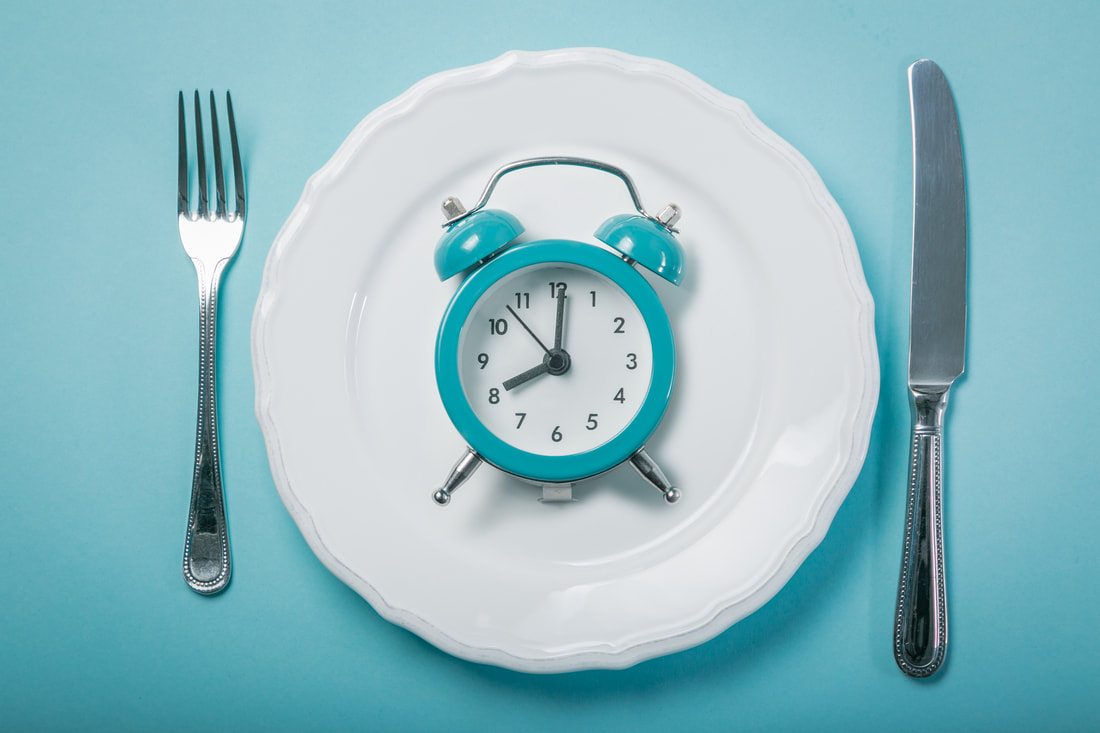 Fasting is a rising trend right now, not only for its powerful weight loss results, but for a host of other health benefits that range from mental clarity to improved metabolic risk factors. Which fasting approach is right for you? Here’s a brief overview of six types (though you should always consult with your doctor before fasting).
Intermittent Fasting (IF) How and when to fast varies by individual preference, health concerns, and medical clearance. However, intermittent fasting (IF) is gaining popularity for its ease and benefits. When we eat regularly, our bodies burn a simple sugar known as glucose for fuel. Fasting for around 9 to 16 hours (everyone’s different) depletes those glucose stores and begins to burn fatty acids known as ketones instead. This process is known as “ketosis” and it burns fat while preserving muscle mass. IF has been shown to improve cardiometabolic risk factors that lead to diabetes and metabolic disorders, improve cardiovascular health, increase longevity, and more. There are many different variations on IF, including time-restricted fasting, where people eat only within certain windows of time that accord with their circadian rhythms. Many people prefer to stop eating after 7 or 8 p.m., fast through the night, and skip breakfast, sometimes known as the 16:8 plan. Women may not need to fast quite as long as men (approximately 14 hours for women to men’s 16 hours) to enter ketosis. Most plans recommend fasting a couple of times per week. But there are other variations, including the next one in this list, alternate day fasting (ADF). Alternate Day Fasting (ADF) Alternate day fasting(ADF) is a subset of intermittent fasting in which participants restrict all calories for an entire day, the “fast day” followed by a “feed day.” One recent study, comparing ADF to basic caloric restriction found that ADF is safe and comparable to caloric restriction (CR) in weight-loss — participants lost between 3% and 8% of their body fat — particularly stubborn belly fat. Additionally, studies point to ADF as a positive support for metabolic disorders and its risk factors. And the effects may not be temporary; for up to 24 weeks after undertaking ADF, the form of fasting was not linked to an increased risk of weight regain even without professional supervision. Add in endurance exercise and ADF may be almost doubly effective. Participants have reported that an ADF diet is easier to stick to than other forms of fasting because there’s no eating to tempt you on fast days. Caloric Restriction If you’re not sure that fasting is right for you, there’s always good old-fashioned caloric restriction (CR), reducing the number of calories you take in. In 1935, two researchers discovered that the simple act of reducing calorie intake in lab mice (without causing malnutrition) prolonged their lives by nearly double. This effect was also shown in other organisms, including worms, fruit flies, other rodents and primates. Studies have gone on to explore this effect in humans with promising results as well. To see benefits, humans must reduce their calorie intake by 40% to 60%. One study suggested that CR is “the only intervention known to date that consistently decreases the biological rate of aging and increases both average and maximal lifespan” in animal models. Researchers sought to understand why there are 4–5 times more centenarians (those 100 years old and older) in Okinawa, Japan than any other industrialized country. It turned out that there was record of a low caloric intake reported in school children on the island more than 40 years prior to the study. Currently, a popular form of CR is the 5:2 Diet, popularized by British author Michael Mosley. Five days of the week you eat as normal, and for two days you restrict calories to 500–600 for the day. Multi-Day Fasts For the ambitious fasters who are medically cleared to do so, multi-day fasts may be the right route to go. Fasting expert Valter Longo, mentioned above, published a study in the journal Cellthat studied the affects of multi-day fasting on mice and humans. His research found that a multi-day fast of three days with zero to 200 calories per day reduced white blood cell counts, and encouraged the immune system to produce new white blood cells. Longo theorized that fasting forces the body to recycle unneeded immune cells, with the help of an enzyme called PKA and a hormone called IGF-1, both of which increase with fasting. When participants begin to eat again, stem cells replenish the cells that were recycled. Of course this sort of fasting can be more mentally challenging, but the results may be worth the struggle. Fasting-Mimicking Diet (FMD) For those who just can’t face total fasting without some kind of food, the fasting-mimicking diet might be right for you. Fast mimicking diets essentially “trick” the body into believing it’s fasting while you still eat food, albeit a reduced amount of calories. A typical FMD lasts about five days (though it can go for much longer) and aims for a balance of carbs, protein, and calories, leaning toward foods that are high in fat. Participants take in about 40% of normal calorie intake. A popular form of FMD is the “Keto diet.” A growing body of evidence also indicates that the FMD brings numerous health benefits. A study published by the Longevity Institute at the University of Southern California’s Leonard Davis School of Gerontology, led by Professor Valter Longo in Science Translational Medicine, found that FMD is associated with reduced risks for diseases ranging from cancer, diabetes, heart disease, and others in human participants who adopted the FMD for only five days each month for three months. Whatever fasting method you choose, studies suggest the health benefits outweigh the challenges of going hungry.   All your thoughts, communications, movements, and actions are controlled by the nervous system.
The nervous system comprises of two parts:
The spinal cord is a major organ of the Central Nervous System and comprises of nerve tissues, or neurons. Nerve cells transmit messages from one part of your body to another. Regular exercise is good for the nervous system and helps decrease stress levels. The body has a need for strength and movement, which is why we are rigid. If our bodies were not made this way, then movement would be impossible. We are designed to grow with bones, tendons, ligaments, and joints that all play a part in natural movements known as articulations – these strong connections join up bones, teeth, and cartilage. Each joint in our body makes these links possible and each joint performs a specific job – many of them differ in shape and structure, but all control a range of motion between the body parts that they connect. Sedentary lifestyle coupled with energy-rich food that is loaded with fat and carbohydrates is creating fat people who are at high risk of diabetes and other related diseases. Obesity can be the cause of several diseases including Type II Diabetes, heart diseases, sleep apnea, osteoarthritis, and certain kinds of cancers. Obese people experience hyperventilation and their life expectancy is lower than that of people with normal weight. Obesity is related to:
In most cases people eat way too much of rich and high calorie food and do not have enough physical exercise to burn off all the calories that they consume. So, the excess calories are converted into fat and stored into the adipose tissues of the body to be used in an emergency such as extreme physical activity or starvation. Causes of obesity are:
Diabetes: It is a metabolic disorder where the blood sugar levels remain high for a prolonged period of time. If the blood sugar levels remain elevated for long, it can cause many health problems such as diabetic coma, heart problems, kidney failure, and a host of other diseases. So, diabetes is a complex health condition which can have a variety of causes. People who suffer from hyperglycemia are said to be diabetic. It is a metabolic disorder, which is related to the way food is broken down and absorbed for nutrition and energy. The food that we eat is broken down into glucose, which is then used to fuel all the activities of our body. Insulin, which is a hormone produced by the pancreas, is required to synthesize the glucose and convert it into energy. When the body is not able to produce enough insulin, or unable to utilize it properly, then the glucose in the blood is not converted to energy, and causes diabetes. Reasons for and Types of Diabetes: Diabetes is caused by two conditions – either the pancreas cannot produce enough insulin or the cells in the body do not respond to insulin. There are many types of diabetes but the two most common types are:
It is caused by the destruction of insulin producing beta cells in the pancreas. Type I Diabetes is one of the many autoimmune diseases in which the body’s immune system starts attacking healthy cells of the body. This cell destruction can continue for several years before any symptoms appear. But once the symptoms manifest, it develops pretty quickly. This type of diabetes is observed mostly in children and young adults, but it can manifest itself later in life too.Type I Diabetes has a lot to do with genetics, and the gene is passed from parents to children. It is also believed that food, pollutants, toxins, and viruses may also have an influence in the onset of Type II Diabetes. Causes of Type II Diabetes: This is the most common form of diabetes. It is caused by a number of factors. The major cause is that the body becomes insulin resistant. The cells of the body do not synthesize insulin properly and that raises the level of blood sugar in the body.The body, over a period of time, stops producing enough insulin for the body and the symptoms of diabetes appear. The Type II Diabetes develops slowly over years, and can remain undetected for a long time. This type of diabetes affects mostly older people and middle aged people, especially if they are obese or overweight. Type II Diabetes used to be very rare in children or younger people but the trend is changing now and can be observed in obese children and young adults. The triggers for Type II are believed to be genetic propensity and environmental factors. The causes can be listed as follows:
Obesity and Lack of Physical Exercise: There is a direct link between diabetes and obesity. Obesity is caused by too much to eat and too little exercise and so is diabetes. Insulin Resistance This is a problem that is observed in overweight and obese people who are not very physically active. The muscles, liver cells and fat cells stop responding to the insulin in a proper manner. Too Much Glucose Production in the Liver: Sometimes the liver does not function properly and produces too much glucose, which the body cannot synthesize properly. Other causes can be beta cell dysfunction, problem with cell signaling and regulation. Type II Diabetes Risk Factors People who are most at risk for Type II Diabetes conform to the following profile:
Treatment for Diabetes and Obesity: It is important to prevent and control the rate of growth of obesity and diabetes. The best way to control the growth is to take preventative measures. One of the best ways to treat both obesity and diabetes is through physical activity. Since both obesity and diabetes have been found to respond well to exercise, this is then the best way to prevent as well as control the two diseases. New studies and research suggest that the effect of exercise in control of the amount of glucose present in the blood is pretty significant. Clinical studies on large groups suggest that lifestyle changes like dieting and exercise have a beneficial effect on people with insulin resistance. Since diet and exercise also help in reducing weight, it then helps to reduce the level of stress on muscles and tissues and helps to combat insulin resistance. Several medical studies uphold the evidence that physically active people have 35% less chance of getting coronary heart disease and stroke; they are 50% less likely to get Type II Diabetes; 20% less chance of breast cancer and 50% lower chances of colon cancer. The risk for osteoarthritis is reduced by almost 83% and the risk of getting a hip fracture is reduced by 68%. The chances of falls, dementia, and depression are reduced by 30% and the risk of early death is reduced by 30%. Physical exercise is an activity that is performed to maintain and increase the body’s level of fitness, health condition, and sense of wellbeing. It may be performed for a number of reasons including toning and shaping, sculpting the body, muscle building, weight control, increasing stamina and physical endurance, or simply for the love of being physically active. Any physical activity is good for the body, but dedicated, regular exercise that raises the body temperature, increases the heart and breathing rate, and makes you sweat, is the most beneficial. When a person joins a physical fitness routine, it is specifically for the benefits that they can derive from the exercise. Muscles use up different types of fuel for different types of activities. The type of fuel that the muscles need for contraction depends mainly on the type, duration, and level of activity being performed. The mitochondria in the muscle cells are the engines that drive the muscles. These tiny organelles are responsible for the fuel burning activity in our body. The muscles are fueled by ATP (Adenosine triphosphate =It is the high-energy molecule that stores the energy we need to do just about everything we do). There is some ATP stored in the body, which is just enough for a few minutes of exercise. Once the stored ATP is spent, then the muscles demand more fuel, which is derived from breaking up of glucose that are stored in the body. Our main fuel is derived from carbohydrates and stored fat. Once the body has burnt through the available glucose in the body, it then turns to its emergency supply of amino acids stored in the muscle tissue. While the muscle is contracting, it goes through stress that causes tiny tears to form in the muscle called micro trauma. These tears need to be repaired as soon as the contractions stop. When the tears appear, the normal muscle organelles are disrupted. This induces satellite cells from outside the muscle to fill in the gaps and repair the damage. Over a period of time, these grow and fuse to the muscle cells forming new protein strands in the muscle tissues. Repair work requires protein and adequate amount of rest. Muscles are extremely elastic and exercising regularly keeps them in a fit state, as it encourages the muscles to repair and strengthen themselves, as well as add more mass to it in preparation for the next session of stress and strain it needs to endure. This continues to make the muscles more elastic and strong. Strength training and resistance exercises are a good way to tone your muscles. When we breathe harder, faster, and deeper, these muscles have to contract at a faster rate and this makes them stronger. When we breathe in, the rib cage has to expand, so the diaphragm relaxes and flattens out, allowing the chest cavity to increase in volume, and the lungs to expand and fill up with air. The enlarged lungs create a relative pressure change that allows oxygen rich air to enter the lung cavity. When the lungs are at maximum capacity, the diaphragm contracts and tightens up, reducing the lung capacity and forcing the air that is now depleted of oxygen and rich in carbon dioxide to be expelled. While in the lungs, the air enters the trachea, then the bronchus, from there to bronchioles and to the bronchi at the end of which is a tiny little sac called alveoli. The walls of the alveoli are extremely thin and allow oxygen to diffuse through it to bind with the blood flowing through the capillaries and remove carbon dioxide from the blood. The harder, faster, and deeper we breathe, the more oxygen enters our blood, thus taking care of the excess demand of oxygen from our body muscles as we work out. The heart rate increases with an increase in the intensity of the workout. The harder and faster you exercise, the harder and faster your heart works. The benefit of exercising to increase the heart rate is that your heart becomes used to performing at top rate when the blood is pumped into your heart. Continued enhanced performance over a period of time helps your blood circulation as the heart pumps more blood into the body with each stroke. Over a period of time, the heart rate will decrease at resting as your heart pumps more blood even when the body does not require it. This helps the heart to recover more quickly after exercising. Studies have shown the benefits of training the brain with exercise. It was discovered that children who exercised 20 – 30 minutes before starting school, were more attentive and less disruptive. It has been found to be beneficial in treating ADHD too. The root of the benefits lies in the fact that exercising can release serotonin and dopamine, which are the pleasure chemical, into the brain, making a person calmer and happier. Exercise stimulates the nervous system, the center of which is the brain. When the brain and the nervous system is stimulated, it works better and makes you feel better. While exercising, there is increased circulation of blood, which also means there is more blood and oxygen available for the body as well as the brain. The extra oxygen and blood supply helps to make the brain more alert and awake during exercise, and keeps you more focused after it. Regular exercise gets the brain used to the extra blood and oxygen supply and the brain reacts by turning certain genes on or off, thereby changing the cell functions of the brain and protecting it from degenerative diseases like Alzheimer’s and Parkinson’s. Other chemicals and chemical transmitters that the brain releases during and after exercise include:
After a workout, the kidney lets more protein to be filtered out of the urine. In an attempt to keep the body hydrated, the kidneys trigger better absorption of water, preventing too much water to be flushed out as urine. Over a period of time this helps the kidneys to function better. Skin also excretes wastes through sweat. Over a period of time when you exercise regularly, the skin tone improves because of better circulation and hydration. The skin appears healthier and suppler than before. The improved circulation helps the skin to regenerate faster, giving you younger looking skin. Adrenal Glands produce hormones called stress hormones. The main ones being adrenaline and cortisol. Adrenaline helps the body to cope with emergency situations and cortisol assists the body in utilizing stored fat as fuel. Both these hormones are essential to exercise. Adrenaline prompts the heart to beat faster, while cortisol provides the fuel that the body demands during exercise. Exercise plays a leading role in reducing colon cancer. Many people are not aware that exercising on a regular basis can play an important role to their gastrointestinal health. Exercise improves gastrointestinal function enabling your system to run more smoothly and effectively. It helps to increase blood flow, which plays such a vital role in digestion, by introducing more oxygen to your vital organs. In addition to this, you will find that with an increase in blood flow, the colon is able to remove toxins much quicker and more effectively. Food that takes a longer period to move through the system increases the chance of causing damage and disease. With the increase in oxygen, you will find that you will have a reduced risk of constipation and your muscles will be strengthened, all of which play a vital role to colon health. Exercise also helps to regulate the blood pressure. Regular physical exercise contributes to reducing the risk of high blood pressure. It, in fact, lowers blood pressure in people already suffering from hypertension. Exercise helps to improve balance. Regular exercise improves muscle strength and coordination. This reduces the chances of falls in elderly people. Studies have indicated a reduced risk of breast cancer in women who exercise regularly. For those already diagnosed with breast cancer, regular exercise can be achieved during and after treatment with a host of benefits. In addition to improving the quality of life in women with breast cancer and cancer survivors, regular exercise can reduce symptoms and improve physical function It helps to boost the immune system and improve the ability of the immune system to fight infections. As you exercise you remove unwelcome bacteria from your lungs and respiratory system, which reduces the risk of colds, flu, and sore throats. It is believed that regular exercise increases macrophages products, these are cells that attack a certain type of bacteria which is responsible for respiratory diseases. Exercise also changes the antibodies and white blood cells within the body. These tend to circulate faster with exercise, which enables them to detect illnesses faster than they would have if you didn’t exercise at all. When exercising your body temperature rises. The rising temperature is believed to stop bacteria growth. The higher temperatures stop bacteria growth, thereby reducing your risk of disease. Finally, you will find that with regular exercise the stress-related hormones in your body will drop. Exercise has always been an effective solution to reduce stress. By ensuring you do regular exercise, you reduce your risk of getting a stress related disease moving forward. Exercise is perhaps the best way to control weight. The greater the intensity of exercise, the more calories a body burns, leading to greater weight management. It also helps to build muscle mass that requires more energy, which helps to burn off calories, leaving little or no fat to store in the body. When you exercise you burn calories while building muscle, this means you replace unwanted fat with lean muscle, when this happens your body actually has the ability to burn calories even when you are not exercising. Regular exercise is great for the eyes too. It prevents Glaucoma, a condition in which there is irreversible loss of vision due to damage to the optic nerve, leading to permanent blindness. It is one of the main causes of preventable blindness. Risk of Glaucoma and cataracts can be reduced by up to 50% when you exercise. Cataracts are a cloudy lining that covers the eye and in most instances the only remedy is surgery. Exercise increases the blood flow in all organs within the body, including the eyes. This means that the increased blood flow eliminates dangerous toxins from the eye tissues, thereby improving eye health moving forward. can be prevented by regular exercise.
24/1/2020
The Physiology of Fasting The simple truth is every body responds to fasting a little differently. Genetics, health, lifestyle…all these things play a part. But for a healthy person embarking on a fasting journey, there’s a general timeline of events—a predictable set of metabolic responses as your fast stretches from hours into days. We’re breaking down that timeline here.
Between 0 and 3 hours, your body is still going through the process of ingesting and storing the last thing you ate. After your body breaks down carbs, protein, and fat into glucose, amino acids, and fatty acids, your body metabolizes them for energy or stores them for later use. Depending on the last thing you ate before starting your fast, a few different hormones could be at play in your bloodstream. If you’ve eaten a meal heavy in carbohydrates, you’ll have a lot of glucose in your bloodstream. That means a rise in insulin. Your pancreas secretes insulin to help shuttle glucose into cells where it can immediately be used for energy production, protein synthesis in muscles, or stored for later use, either as glycogen (the short-term storage of glucose) or as adipose tissue (long-term storage). Three hours after your last meal, glucose and insulin have most likely returned to “normal” pre-meal levels. You’ll also experience a fluctuation in ghrelin and leptin. Ghrelin, the “hunger hormone” is what turns on your appetite. Leptin does the opposite. After a meal, your ghrelin levels fall and your leptin levels rise, effectively turning your appetite off, signaling to your brain that you’re full. The 0–3 hour time frame is what we call an anabolic, or growth period since nutrients are available and the body can burn them, build muscle with them, or store them. During the 4–24 hour phase, your body switches to the catabolic, or breakdown, state where stored nutrients are put to use. Once blood glucose and insulin levels drop, you’ll experience an uptick in glucagon—a catabolic hormone that stimulates the breakdown of glycogen (stored glucose) for energy. Since glucose is still your body’s main fuel source in this phase, your metabolism will attempt to break down enough glycogen to keep your blood glucose in the “normal” range (about 70–120 mg/dL). Toward the end of this phase, you’ll likely start depleting your glycogen stores, which means you need access to another fuel source. Your body will begin the switch from glucose to ketones. Glucose is still your primary, preferred fuel source, but when your glucose reserves are nearing empty, you’ll start using fat stores and ketone bodies to make up the difference. Between 12 to 24 hours, blood glucose levels will be reduced by about 20%. The exact time that your body starts shifting from using glucose to ketones for energy depends on how much glycogen you’ve got stored away and how much energy you’re burning throughout the day. This switch happens faster if you’re exercising since you’ll burn through your glycogen stores more quickly. Your body is switching into fat-burning mode now—glycogen is significantly depleted, so you’ll produce and use ketone bodies for energy. Through the breakdown of fat (a process called lipolysis), fat cells in the body release free fatty acids. PPAR-alpha (a regulator of fat metabolism in the liver), which is necessary for ketogenesis, is activated and ensures those fatty acids are used. Fatty acids travel to the liver where they are transformed into ketone bodies through the process of beta-oxidation. When we say “ketone bodies,” we’re referring to three distinct types of molecules: acetone, acetoacetate, and beta-hydroxybutyrate, or BHB for short. Your body can use both acetoacetate and BHB for energy production. Blood ketone meters, which you may have seen people use while fasting or on a ketogenic diet, measure BHB levels in the blood. BHB levels can vary based on the individual, but within 24–72 hours of fasting, you’re likely to see BHB levels rise to somewhere between 0.5–2 mM; the range for nutritional ketosis. At this point, ketones become your primary fuel, but your brain still needs a bit of glucose to function. With none to be found in your blood, and your glycogen stores completely tapped, your body makes glucose from non-carbohydrate sources like fat, ketones, and amino acids through a process called gluconeogenesis. Yes, your body can actually make sugar out of protein and fat. During this phase of fasting, you produce about 80 grams of glucose per day using this process, most of which is used by the brain. The rest of the body can rely almost exclusively on ketone bodies. So what’s going on with ghrelin, the hunger hormone? This deep into a fast, It actually starts to decline again. One study showed that even though ghrelin rises and falls in a cyclic pattern related to circadian rhythm, total ghrelin output decreased every 24 hours of fasting. So, by day 3, overall ghrelin output was lower than day 2 and day 1. These results may explain why overall hunger levels seem to decrease around the third day of a fast and beyond. We’re now in the prolonged fasting phase. After day 3, glucose and insulin levels remain low, hunger stays suppressed, and you’re in a steady state of nutritional ketosis. You’ll also see a decrease in something called IGF-1 (insulin like growth factor). IGF-1 is a hormone involved in growth and development. When nutrients are restricted, your liver decreases its IGF-1 production, plus there’s a decrease in IGF binding proteins. Short-term decreases of IGF-1 activity in adults have been associated with less oxidative stress and may be an important part of anti-cancer and anti-aging dietary interventions. Prolonged fasting has also been shown to activate cellular resistance to toxins and stress in both mice and human studies. A minimum of 72 hours of fasting seems to be required to experience these benefits. Fasting for 3+ days has been shown to decrease circulating insulin and glucose by 30% or more, which can contribute to decreased risk of metabolic disease. The decreased levels of growth hormone and insulin in the bloodstream also seem to have benefits for immunity, inflammation, neurogenesis, and overall metabolic health. BHB (one of the three ketone bodies) levels continue to rise throughout your fast. At this point, they’ll likely settle out around 1.5–3 mM. BHB levels above 2.0 mM may correlate with lower hunger levels as well, since the body is now producing sufficient amount of ketones to fuel the body. After fasting for 5 or more days, glucose, insulin, and IG-F are all significantly reduced, and you’re in a steady state of ketosis. Five days of fasting in humans has been shown to cause over a 60% decrease in IGF-1 and a significant increase in IGF-1 inhibiting proteins. After 10 days of fasting, IGF-1 levels may be as low as those seen in people with growth hormone deficiency—a population associated with reduced risk of cancer, diabetes, and overall mortality. Conversely, BHB levels will continue to rise. It’s important to note here the difference between ketosis (burning ketones for fuel) and ketoacidosis (dangerously acidic blood from overly high ketone levels, usually only seen in alcoholics, diabetics, and cases of extreme starvation). Normally, the presence of insulin tells the body to stop increasing its production of ketones and plateau them at a safe level, but since your insulin levels remain low throughout a prolonged fast, this feedback loop doesn’t occur. One study showed that BHB levels will eventually plateau between 5–6 mM by day 20–25 of fasting. So if you’re contemplating an extremely long fast, it’s worth consulting with a medical professional to make sure you’re doing so safely. As you can see, there is plenty of promising research on the metabolic benefits of fasting. Precisely which benefits you’ll experience depends on the duration of your fast. As always, we suggest working with a medical professional to find the plan and approach that’s best for your health and goals. |